Jump to content

Center for Neuroplasticity and Pain (CNAP)
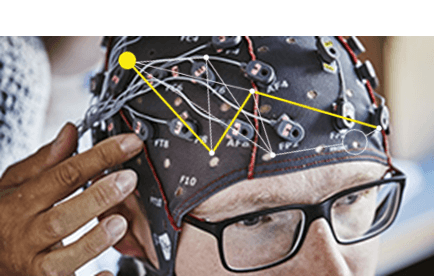
CNAP brings together leading researchers in neuroscience, engineering, and clinical science to uncover the mechanisms that drive chronic pain. Through innovative experimental approaches and translational research, we generate knowledge that supports the next generation of diagnostics and treatments for pain-related disorders.

CNAP is a Danish National Research Foundation Center of Excellence conducting world-class research into the mechanisms of pain and neuroplasticity.

Center for Neuroplasticity and Pain (CNAP)

CNAP brings together leading researchers in neuroscience, engineering, and clinical science to uncover the mechanisms that drive chronic pain. Through innovative experimental approaches and translational research, we generate knowledge that supports the next generation of diagnostics and treatments for pain-related disorders.

CNAP is a Danish National Research Foundation Center of Excellence conducting world-class research into the mechanisms of pain and neuroplasticity.

Learn more about CNAP's researchWho is CNAP?

CNAP hypothesis

It is our ambition to identify and modulate key features of human pain neuroplasticity leading to prevention of maladaptive neuroplasticity and promote advantageous neuroplasticity. We keenly believe that this can be achieved through a systematic engineering approach, including provoking, probing and modulation of the dynamic neuroplastic properties of the pain system.

Research areas

At CNAP, we investigate the mechanisms underlying pain and neuroplasticity across the human nervous system. By combining experimental pain models, advanced neurophysiological techniques, and translational research approaches, we aim to improve the understanding, prediction, and treatment of chronic pain conditions. We study how the nervous system adapts to pain and injury, and how these adaptations can contribute to the development and persistence of chronic pain. Understanding these mechanisms is essential for developing more effective interventions and preventive strategies. Using controlled experimental pain paradigms, we investigate how pain is processed and modulated in healthy individuals and patient populations. This provides valuable insights into the biological and neural mechanisms driving pain experiences.

Why it matters?

Chronic pain affects hundreds of millions of people worldwide and is among the leading causes of disability, reduced quality of life, and healthcare costs. Despite its prevalence, the biological mechanisms underlying the transition from acute to chronic pain remain incompletely understood. At CNAP, we seek to uncover how neuroplastic changes within the nervous system contribute to pain development and persistence. By identifying the mechanisms that drive maladaptive pain responses, we aim to support the development of more precise diagnostics, personalised treatments, and preventive strategies.

Want to join CNAP?

Are you passionate about advancing our understanding of pain and neuroplasticity? At CNAP, you will become part of an international and interdisciplinary research environment where curiosity, innovation, and scientific excellence drive our work.

As a member of CNAP, you will collaborate with leading researchers in neuroscience, engineering, and clinical science, gain access to state-of-the-art research facilities, and contribute to studies that aim to improve the lives of people affected by chronic pain.

Whether you are considering a PhD, postdoctoral position, or research collaboration, CNAP offers a dynamic environment that supports scientific growth, international networking, and career development.

Watch our video to hear directly from our PhD students and discover what it is like to be part of the CNAP research community.

Want to join CNAP?

Are you passionate about advancing our understanding of pain and neuroplasticity? At CNAP, you will become part of an international and interdisciplinary research environment where curiosity, innovation, and scientific excellence drive our work.

As a member of CNAP, you will collaborate with leading researchers in neuroscience, engineering, and clinical science, gain access to state-of-the-art research facilities, and contribute to studies that aim to improve the lives of people affected by chronic pain.

Whether you are considering a PhD, postdoctoral position, or research collaboration, CNAP offers a dynamic environment that supports scientific growth, international networking, and career development.

Watch our video to hear directly from our PhD students and discover what it is like to be part of the CNAP research community.

Why join CNAP?

Life as a PhD at CNAP

Learn more about our world-class research and excellent facilities at CNAP.

You must accept the following cookie categories in order to view the content: Marketing

Life as a PhD at CNAP

Learn more about our world-class research and excellent facilities at CNAP.

Contact

Center for Neuroplasticity and Pain (CNAP)
Thomas Graven-Nielsen
Director and professor
Contact
Helle Schrøder-Arp
Centre Coordinator
Contact